Biometriya biometric applications across identity, access, and field operations
Application areas

Where biometric identity becomes operational value.

From employee access and civil identity to field verification, checkpoint throughput, visitor control, and biometric service access

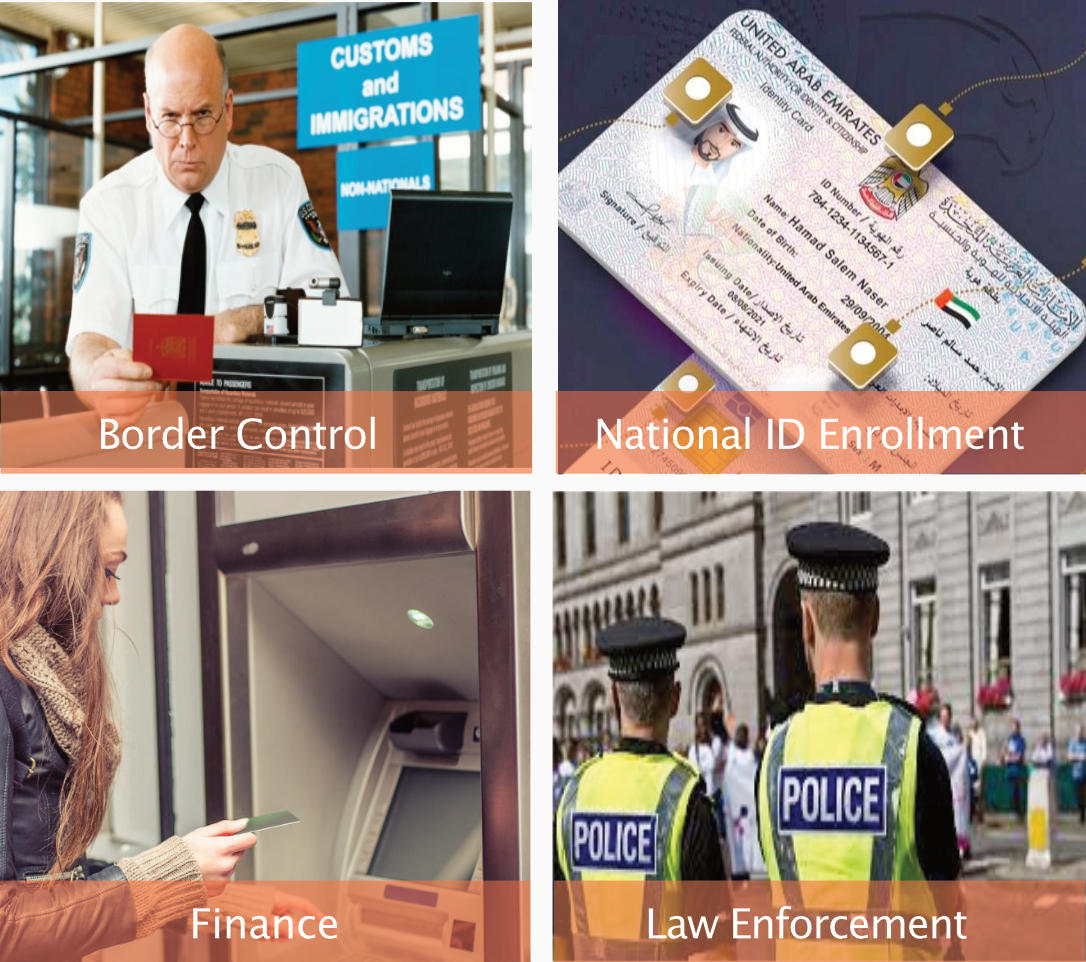
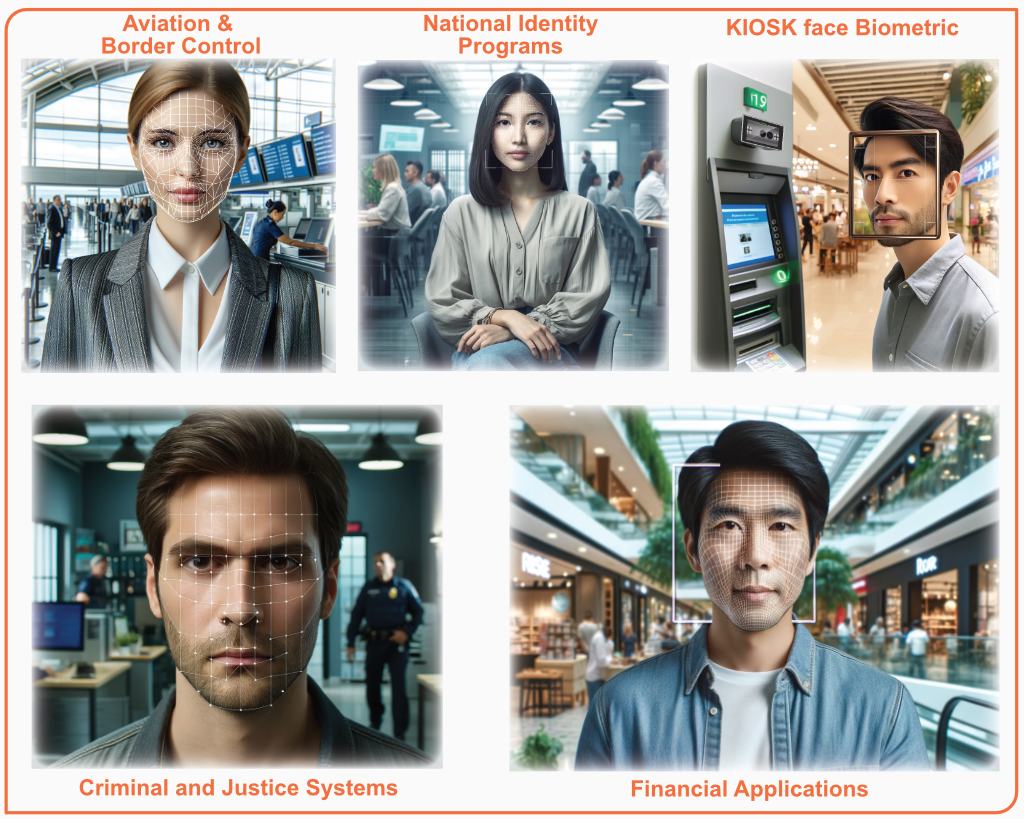
Biometriya application areas show how biometric devices and identity workflows perform inside real operating environments. The goal is not only to recognize a person, but to make identity useful inside attendance, registration, screening, access control, traveler movement, field enforcement, and service delivery.

Core value Connect the right person to the right workflow, checkpoint, permission, or service action
Typical environments Enterprises, government programs, border points, field operations, public facilities, and service counters
Identity methods Face, fingerprint, iris, palm vein, and document-linked biometric verification
Operational outcomes Faster processing, stronger trust, cleaner records, better accountability, and smoother user journeys
Application portfolio

Biometric use cases across real programs and checkpoints

These application areas translate biometric capability into operational outcomes, from secure enrollment and verification to access, service entitlement, and checkpoint flow.

Employee identity, attendance, and secure access
Workforce identity Employee identity, attendance, and secure access

Enroll employees, verify identity at clock-in and clock-out, and control access to restricted areas with a stronger link between the worker, the credential, and the checkpoint.

Explore HRM
Civil identity and foundational ID programs
National identity Civil identity and foundational ID programs

Support accurate citizen enrollment, identity issuance, and long-term identity integrity with biometric capture workflows that reduce duplication, manual errors, and registry gaps.

View civil identity solution
Security agencies, suspect identification, and field tracking
Field verification Security agencies, suspect identification, and field tracking

Equip field teams with biometric devices connected to central systems so officers can identify suspected persons quickly, verify records in the field, and act with stronger confidence.

See policing applications
High-throughput passenger gates and turnstiles
Checkpoint throughput High-throughput passenger gates and turnstiles

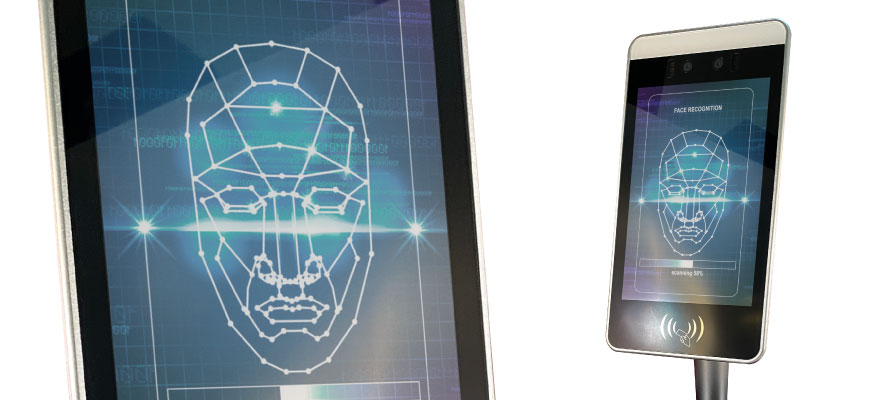
Use fast facial recognition and guided user interaction to move people through turnstiles, checkpoints, and controlled passages with less delay and better identity assurance.

Discover FacePass
Remote area enrollment and census-style capture
Remote programs Remote area enrollment and census-style capture

Take biometric enrollment into villages, remote communities, and field programs with rugged mobile kits that combine face, fingerprint, iris, document capture, and operator notes.

Learn about mobile enrollment
Smart and secure access for guests, visitors, and KYC journeys
Visitor identity Smart and secure access for guests, visitors, and KYC journeys

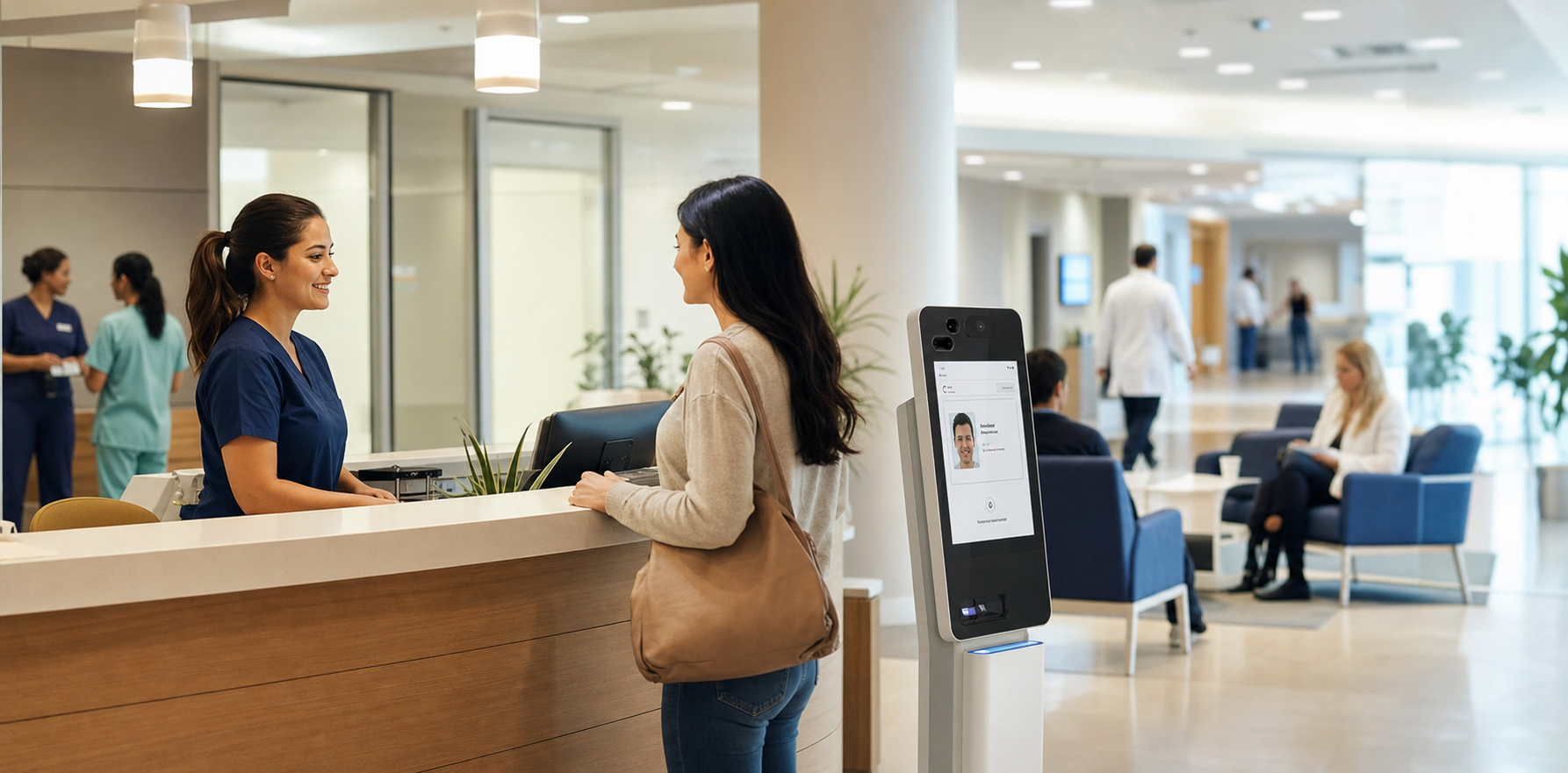
Improve visitor experience and identity-linked service access with biometric check-in, watchlist-aware verification, and a smoother alternative to cards, badges, or manual exception handling.

View access control solution
Biometric payment and identity-linked service access
Trusted transactions Biometric payment and identity-linked service access

Create lower-friction payment and entitlement experiences by tying approval to the verified person, not only to a token, card, or remembered credential.

See palm vein applications
How application design works

Biometric applications perform best when identity, workflow, and environment are planned together.

The same biometric method can behave very differently depending on throughput, lighting, staffing, mobility, policy, and integration requirements. That is why application design matters as much as device capability.

1. Capture context Start with the journey or checkpoint

Understand who is being identified, what decision depends on that identity, and how much speed, assurance, and supervision the process requires.

2. Fit the modality Choose the right biometric method for the environment

Face, fingerprint, iris, or palm vein each fit different user flows, hygiene needs, fraud risks, and operator conditions.

3. Connect the workflow Make identity useful inside the wider system

Link capture and verification to attendance, access permissions, enrollment records, field operations, e-gates, service entitlement, or audit trails.

From application to deployment

Move from a broad use case to the right biometric system design.

Some organizations start with a product. Others start with a problem like secure employee entry, traveler throughput, citizen registration, or field verification. The Applications page helps connect those operational needs to the right Biometriya solutions, devices, and workflow models.

Use this page as a starting map, then move into the matching solution page, product page, or software offering for deeper detail.